At 3,715 metres, Mount Teide is the highest peak in Spain and the third-tallest volcano in the world — and standing on top of it (or just under the stars beside it) is one of the most unforgettable things you can do in Tenerife. We are Ronaldo and Mane, local hosts born and raised in the Canary Islands, and this is our honest, practical guide to visiting Teide: how to get up, the cable car, the summit permit nobody tells you about, and the best time to go. Want more ideas? See our guide to the best things to do in Tenerife.
Why Mount Teide is unmissable
Teide isn't just a mountain — it's a whole world. The drive up takes you from green pine forest into a Martian landscape of lava fields, twisted rock and craters that has doubled for other planets in the movies. The national park around it is a UNESCO World Heritage Site, and the air up there (above the clouds) is so clear that it's one of the best stargazing spots on the planet. Whether you go for the views, the volcano or the night sky, Teide delivers.
How to get to Mount Teide
From Costa Adeje and the south, the drive up is about an hour along the TF-21 through Vilaflor (Spain's highest village). From the north you climb the TF-24 from La Laguna through a beautiful pine forest. The road itself is spectacular — leave time to stop at the viewpoints (miradores) along the way.
Our honest advice: rent a car so you can go at your own pace, stop for photos and stay for sunset. Take a look at our car rental in Tenerife. Prefer adventure over driving yourself? Our buggy safari to Teide takes you up through the volcanic landscape in a 4x4 — half the fun is the ride.
The cable car (Teleférico del Teide)
You can't drive to the summit, but the cable car whisks you from 2,356 m up to 3,555 m in about 8 minutes — leaving you just a short walk from the top. From the upper station the views over the crater, the neighbouring islands and the sea of clouds are breathtaking. Book your tickets online in advance, especially in high season: it sells out, and buying ahead saves you a long queue.
The summit permit (the bit nobody tells you)
To walk the final stretch up to the very peak (Pico del Teide, 3,715 m), you need a free permit booked in advance on the national park website. Spots are limited and go weeks ahead. If you just want the cable car and the viewpoints around the top, you don't need it — but if standing on the actual summit is on your list, sort the permit early.
Stargazing under the clearest skies
When the sun goes down, Teide becomes one of the best places in the world to see the stars. The altitude, the clean air and the lack of light pollution make the Milky Way pop like nowhere else. Plenty of operators run astronomy tours with telescopes and guides — and even without one, simply parking up (safely) and looking up is magical. Bring warm clothes: it gets cold fast at altitude.
Sunset and the sea of clouds
If you can only do one thing, go up for sunset. Watching the sun sink below the "sea of clouds" (mar de nubes) with the volcano glowing behind you is a moment you won't forget. Time it so you're up high for golden hour, then stay for the first stars.
What to bring & good to know
- Warm layers — even in summer it can be near freezing at the top, and 20 °C colder than the coast.
- Sunscreen, sunglasses and water — the sun is strong at altitude.
- Comfortable shoes for the short walks and viewpoints.
- Go early or late to avoid the midday crowds and haze.
- Some people feel the altitude a little — take it easy up top.
Where to stay
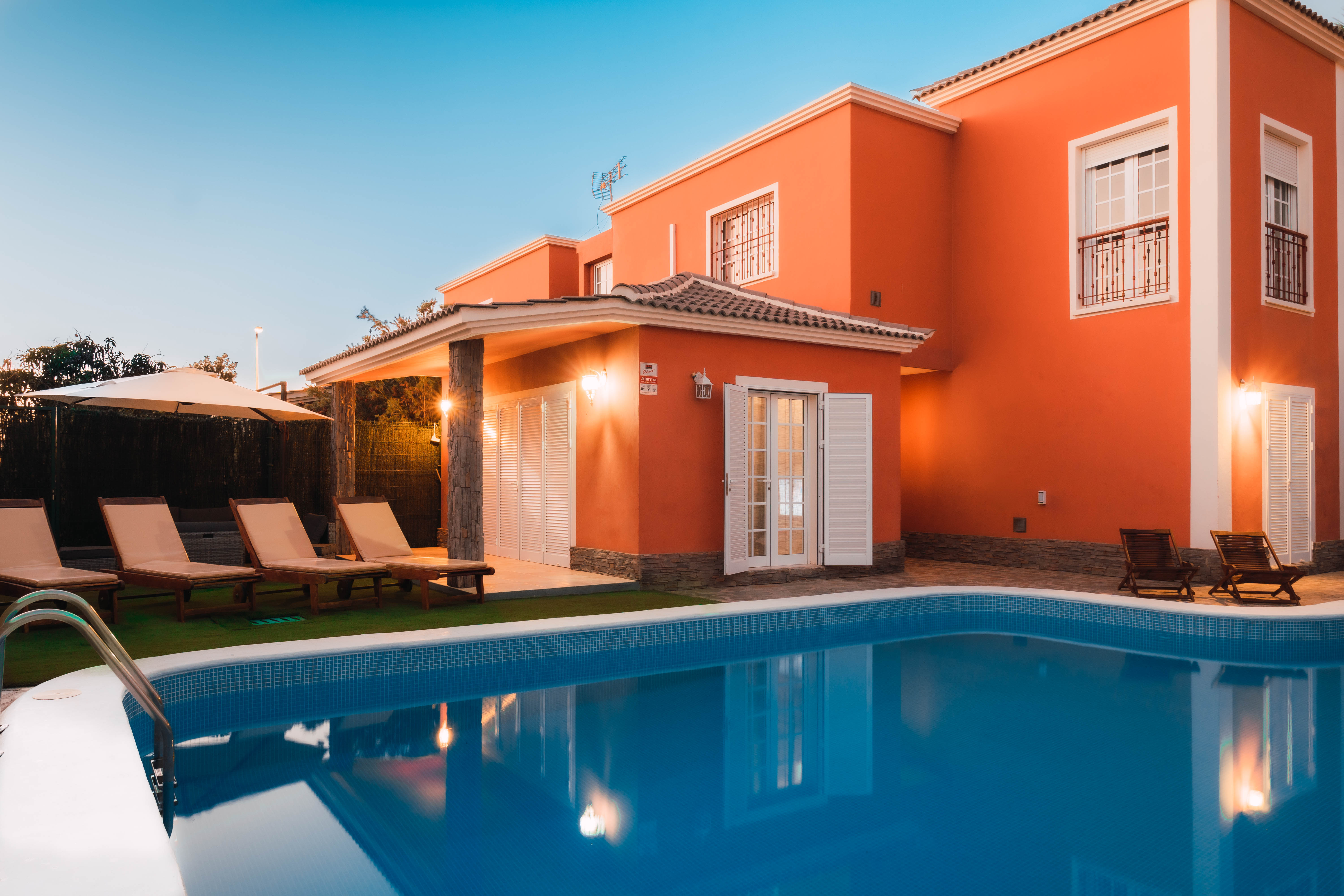
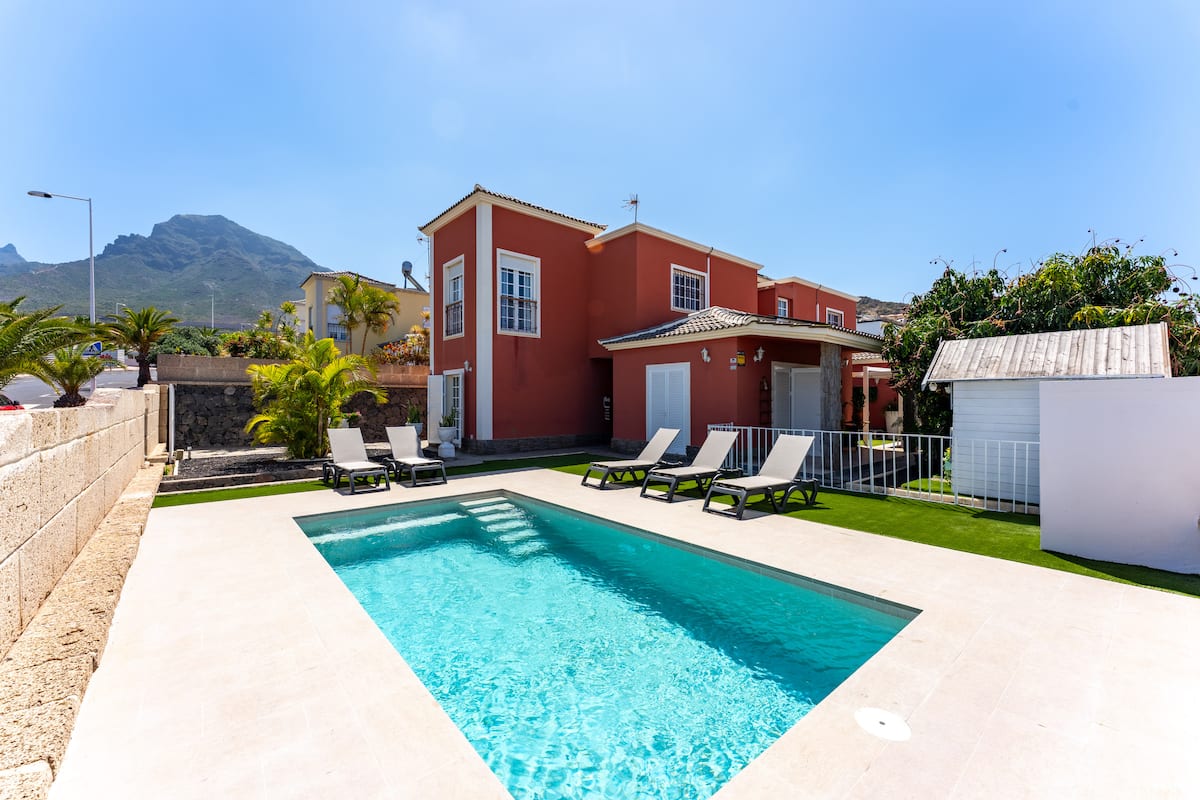
The best base for a Teide day trip is a comfortable villa with a pool to come home to. Most of our hand-picked homes are in Costa Adeje, about an hour from the Teide road and close to the beaches:
- Villa Orion Luxury — space, comfort and a private pool, ideal for groups.
- Villa Chloe Costa Adeje — stylish and close to the beaches.
- Villa Maronata — one of our newest homes, with a true holiday feel.
Book direct and we'll help you plan the whole trip — Teide, the buggy safari, a car and more.
Ready to plan your Tenerife adventure?
Browse our hand-picked villas with private pools, and let us sort your car and experiences — book direct for the best price.